22/10/2026 16:46
Wheel Diameter or Mounting Fit? YouTube Pinned Comments for Cambodian Caster Shops
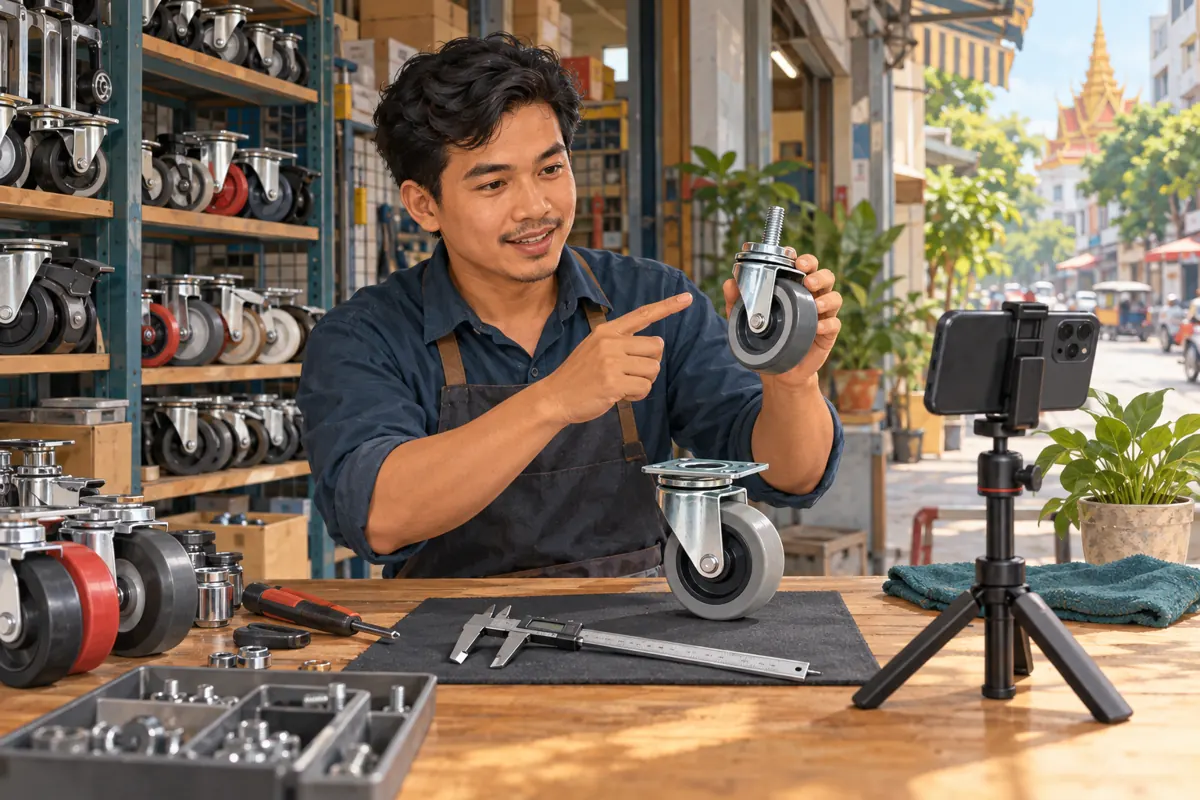
A caster wheel can look right in a demonstration and still have the wrong mounting arrangement for a buyer’s trolley. For a Cambodian hardware shop promoting replacement wheels on YouTube, that gap creates repetitive questions and uncertain quotations. A carefully written pinned comment can help viewers identify what to check before contacting the shop. This guide develops a practical workflow around that task: choose one fitting question, prepare a clear shop-authored note, check how viewers encounter it, and evaluate enquiries separately from visible engagement. The shop scenarios and sample wording below are hypothetical, not customer results.
1. Give the pinned comment one specific job
Imagine a hypothetical Phnom Penh shop posting a demonstration of a replacement caster rolling beneath an empty trolley. The video clearly shows the wheel, but viewers cannot easily distinguish its mounting plate from another model on the shelf. A comment saying “Contact us for details” leaves the buyer to guess which details matter. A better purpose is to help the viewer identify whether the existing wheel uses a plate or a stem before requesting a replacement.
Write that purpose in the shop’s preparation notes: help buyers describe the mounting type. Keep price negotiation, delivery arrangements and the complete product catalogue elsewhere. A focused comment gives staff a consistent opening question and makes the next step less demanding for viewers. It also creates a useful editorial test: if a sentence does not help someone identify the mounting arrangement or ask for clarification, remove it from the draft.
2. Resolve the product distinction before drafting
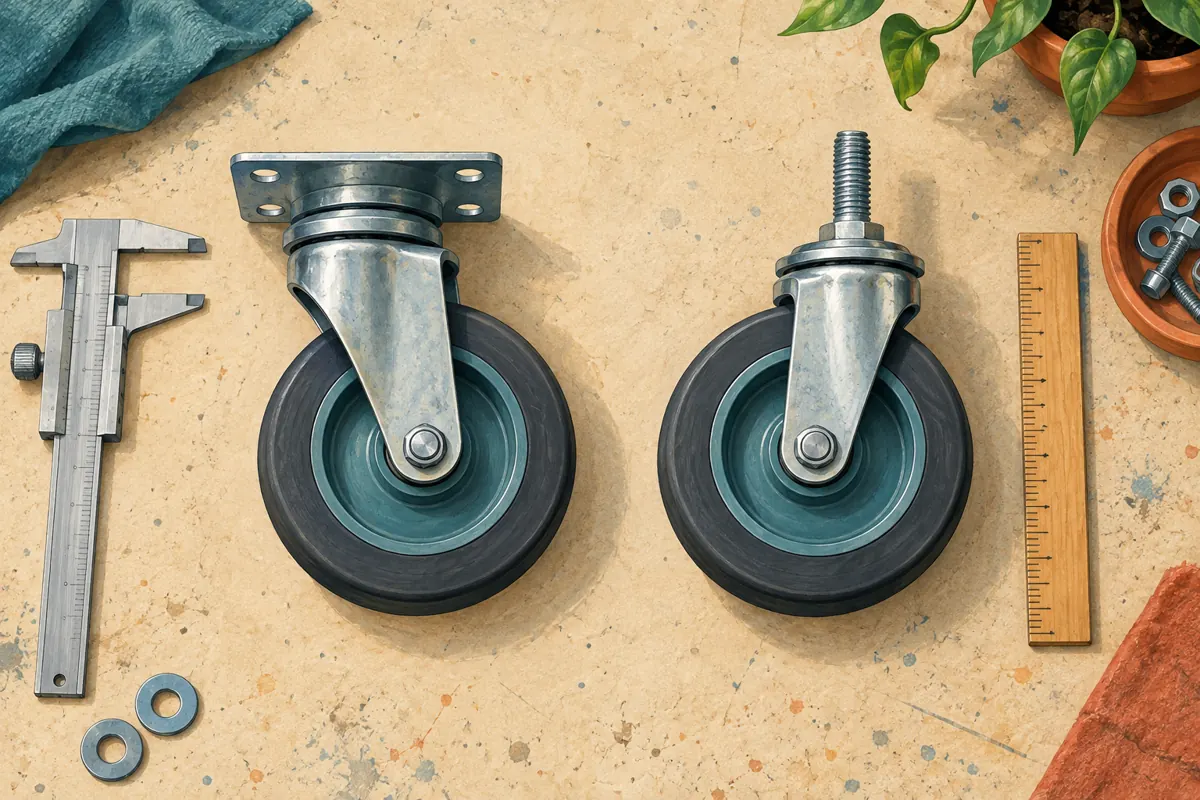
Place the demonstrated wheel beside the alternative that buyers commonly confuse with it. Record the product reference used internally and check the matching supplier information. For a plate-mounted example, distinguish the outside plate dimensions from the spacing between mounting holes. For a threaded-stem example, identify which specifications staff need to confirm. Do not infer compatibility from wheel diameter, colour or a similar-looking photograph.
The promotional demonstration should make these differences visible without pretending to be a complete engineering assessment. Show the mounting area in a steady close-up and explain what the buyer is looking at. Avoid suggesting that smooth movement under an empty trolley establishes suitability for a loaded one. Keep any load or application statement tied to verified product documentation. If that documentation is missing, the public content should invite a specification check rather than announce a universal replacement.
3. Write a short note in the buyer’s working language
Use the language customers actually use when discussing the product. For a shop serving Khmer-speaking buyers, prepare the public comment in natural Khmer and have a knowledgeable colleague check the technical meaning. Preserve genuine model references consistently. Avoid translating the same component three different ways across the narration, comment and staff reply, because buyers may interpret those terms as separate products.
An English rendering of a hypothetical draft is: “Replacing a trolley wheel? First check whether yours has a mounting plate or a threaded stem. This demonstration shows the plate version. Tell us which mounting type you have; use the shop’s listed contact channel for photos and a fitting check. Please keep phone numbers and delivery addresses out of public comments.” Adapt that wording to the actual video. If it shows both types, explain that instead. Do not promise an immediate quotation before staff have enough information to assess the request.
4. Pin the approved note and verify the result
YouTube’s official comment guidance says pinning requires access to advanced features. On a computer, sign in to the channel, find the chosen comment below the video, select More, choose Pin and confirm. Pinning a different comment replaces the existing pinned comment. A shop can pin its own note, which makes responsibility for the wording clear.
Before doing this, compare the draft with the published demonstration, not merely the original filming plan. Check that the mounting type named in the note is the one viewers actually see. Keep a lightweight editorial record containing the video reference, approved wording, responsible staff member and review date. This is particularly useful when one person films and another answers enquiries. After pinning, reopen the video and inspect the comment area to confirm that the correct note is present. Treat this as a content check, not as evidence that everyone watching will read it.
5. Plan for viewers who never open comments
YouTube explains that mobile viewers must expand the comment section to see a pinned comment, and pinning does not guarantee inclusion in the comment preview. Essential fitting information therefore belongs in the demonstration itself. The pinned note should reinforce the distinction and provide a convenient next step, rather than carry a qualification that changes the meaning of the whole video.
Ask a colleague to watch on a phone without opening comments. Can they tell which mounting arrangement is shown? Can they distinguish a demonstration from a compatibility promise? Then ask them to open the comments and explain what information the shop wants next. If they need a long verbal explanation, simplify the content. For this hypothetical caster shop, a clear underside close-up may solve more confusion than adding another paragraph to the pinned note. Check readability in ordinary viewing conditions rather than only on the editing monitor.
6. Turn replies into a manageable enquiry process
Assign one staff member to review fitting questions during the shop’s normal working routine. Prepare a short internal response guide: acknowledge the mounting type supplied, identify the missing specification, and explain where the buyer can continue. Avoid asking for an entire purchase history when one measurement would clarify the question. Equally, avoid confirming fit simply because the buyer says the replacement looks similar.
In a hypothetical exchange, a viewer writes that their wheel also has four mounting holes. Staff can explain that the hole arrangement still needs checking and direct the buyer to the shop’s established contact channel for photographs. YouTube comments on public videos are public, so delivery details and personal contact information should not be requested there. Keep the public reply useful to other readers while handling the individual quotation separately. A technical question, a quotation and a confirmed order should remain distinct stages in the shop’s records.
7. Make the SMM panel decision before spending
For a sabysmm.com reader, the practical question is whether a proposed service addresses this communication problem at all. The supplied catalogue includes “YouTube - Subscriber ~ Max 1M ~ 100-500/days ~ 0-12 hrs ~ 𝗥𝗘𝗙𝗜𝗟𝗟 30D”. Its title presents a subscriber service, but the supplied description is empty. The title alone does not verify delivery conditions, audience location or genuine purchasing interest. It also does not describe a pinned-comment writing or fitting-enquiry service.
YouTube’s fake engagement policy prohibits artificial metric inflation and warns that a hired promoter’s methods can affect the channel. Reject proposals that depend on artificial engagement, and do not use the pinned comment to promote such services. Purchased engagement is not evidence of Cambodian users, genuine interest, sales or advertising delivery. For this workflow, the immediate investment may simply be a clearer close-up, accurate translation and staff time for replies. Do not infer that these editorial services are available from the panel.
8. Review question quality without claiming causation
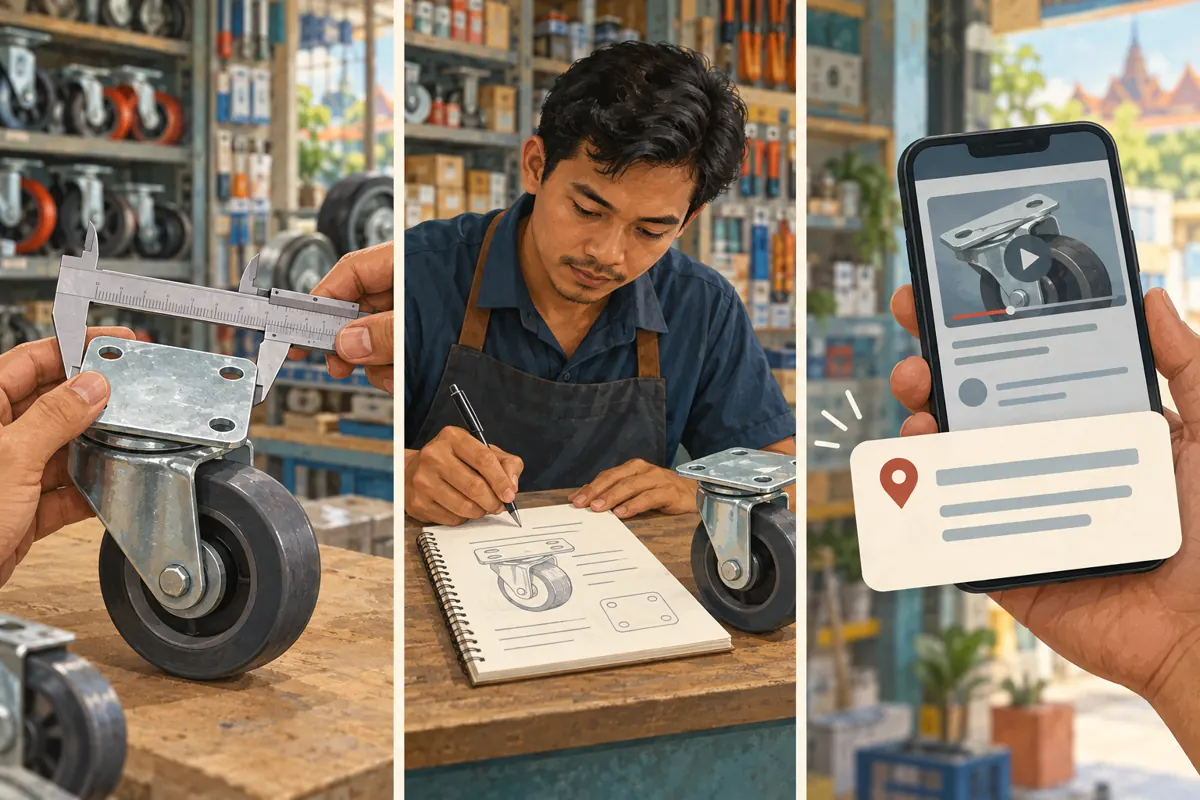
Decide what a useful enquiry contains before promoting the demonstration. For this example, the buyer should ideally identify the mounting type and understand that specifications still need confirmation. Staff can note whether each relevant enquiry includes that information, which clarification was missing, and whether a quotation was eventually requested. Keep the record proportionate; it does not need copied personal conversations or unnecessary identifying details.
Review the actual questions after the shop has had a reasonable opportunity to receive and answer them. If viewers repeatedly confuse plate width with hole spacing, improve the demonstration or add a supporting explanation. Do not interpret silence as proof that everyone understood. Likewise, better enquiries after an edit do not establish that the pinned comment caused the improvement: the audience, stock, video and staff responses may also have changed. Report observations plainly, such as “buyers still ask where to measure,” rather than inventing a conversion claim.
9. Avoid pinning praise, pressure or premature promises
A common mistake is choosing the most enthusiastic comment instead of the most useful clarification. A statement that a wheel worked on one person’s trolley does not establish compatibility with another trolley. For a technical product, a shop-authored fitting note is often more appropriate than highlighting praise that readers could mistake for general product evidence. Never write a customer-style endorsement and present it as an independent experience.
Other mistakes include asking viewers to leave meaningless comments, filling the note with repeated promotional phrases, or mixing a temporary offer into an evergreen fitting guide. Keep the language specific and useful. Do not promise that pinning will improve search position or cause recommendations. Avoid urgency unless there is a real, clearly stated deadline. If staff cannot support the next step described in the comment, narrow the invitation before sharing the video more widely. An unanswered request for a fitting check creates a poor experience even when the public wording is clear.
10. Maintain the note when the product or workflow changes
Review the pinned note when the demonstrated model changes, the shop changes its contact route, or staff discover a recurring misunderstanding. A similar replacement arriving in stock does not automatically make the old demonstration suitable for that new item. Compare the actual mounting details and keep the content’s scope explicit. If the old video remains useful only as a general explanation, make that limitation clear wherever the shop shares it.
Give maintenance responsibility to a named role, such as the person who manages product enquiries, rather than assuming the original uploader will remember. Keep the previous wording in the editorial record so staff can understand what earlier viewers may have read. Where the demonstration itself gives a materially wrong impression, correct the content rather than relying solely on a pinned qualification. The durable outcome is a more understandable path from watching a wheel demonstration to requesting a properly informed fitting check.
Frequently asked questions
Should the pinned comment contain every caster specification?
Usually it should identify the first decision and tell buyers what to check next. A long specification block can obscure that purpose. Keep complete, verified product information in the shop’s maintained reference material, and make sure the demonstration does not contradict it.
What if the buyer knows the wheel diameter but not the mounting type?
Explain how to identify the mounting area using the demonstration. Ask them to compare the visible arrangement before discussing a replacement. If they remain unsure, continue through the shop’s normal contact channel with suitable photos. Do not convert an uncertain visual match into a confirmed fit.
Can a customer’s successful installation serve as the pinned answer?
It may describe that customer’s particular situation, but it does not settle compatibility for other buyers. Prefer a shop-authored explanation when the purpose is technical clarification. If referencing a genuine customer experience, preserve its limits and never add claims the customer did not make.
Does buying subscribers help the fitting workflow?
A subscriber counter cannot tell staff which mounting arrangement a buyer needs. The supplied service title does not establish a Cambodian audience or a source of qualified enquiries. Evaluate promotion methods against platform rules and business needs; artificial engagement cannot substitute for clear product information.
How should the shop judge whether the note is useful?
Look for understandable questions, fewer repeated misunderstandings and staff responses that move the enquiry forward. These are observations to investigate, not automatic proof of commercial impact. Keep confirmed orders in the sales record and avoid attributing them to the pinned comment without supporting evidence.
Explore the current service catalogue, create an account, or ask a specific question through support tickets.
Prepared with AI assistance. Illustrations explain the workflow and do not represent customer results.