20/10/2026 01:28
Can the Tent Side Open? A YouTube Clips Workflow for Cambodian Rental Shops

A customer planning an outdoor gathering may need one answer before discussing a tent rental: can the sidewall open? Sending a long showcase video can leave that answer buried between delivery footage, decorations and unrelated equipment. A carefully selected excerpt can make the relevant feature easier to understand while preserving a route to the fuller demonstration. For Cambodian rental businesses, this is a practical way to connect social content with a specific enquiry. The workflow below uses YouTube Clips to select an honest demonstration, test what a recipient sees and prepare a useful follow-up. It also explains why a Clip link, a source-video link and an SMM panel listing must not be treated as interchangeable.
1. Start with the question that blocks the enquiry
Choose a question about something the camera can actually show. A sidewall opening, the position of an entrance or the appearance of a window panel can work well. Availability, delivery charges and suitability for a particular venue require separate confirmation. A short visual answer should help the customer describe their needs, without pretending to settle every condition of the rental.
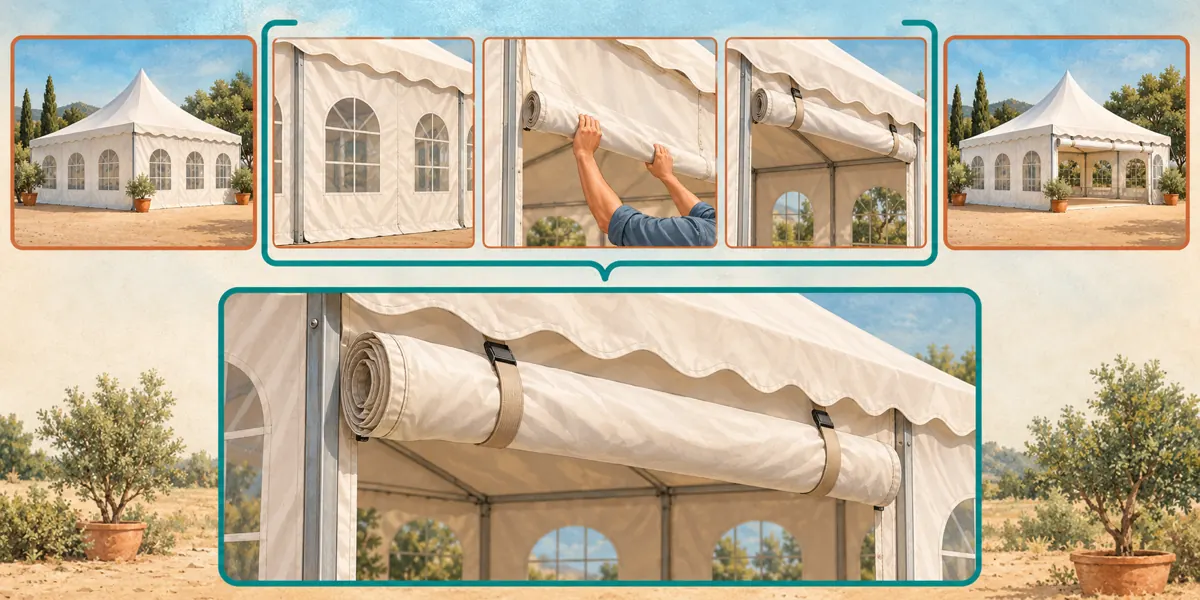
Consider a hypothetical tent-rental shop in Battambang. Its existing demonstration includes a staff member opening one sidewall. Customers repeatedly ask whether the same configuration is possible for their gatherings. The shop selects that action as the subject of its first Clip. It does not begin by choosing the prettiest shot or the moment with the most movement. The selection follows an identifiable customer question.
2. Decide whether a Clip is the right format
YouTube’s official Clips guide describes excerpts lasting 5–60 seconds that loop from the original video’s watch page. Clips are public to people who can access both the Clip and its source. Treat this feature as a way to share a selected passage, rather than assuming you have produced a separate uploaded video. The supporting YouTube Help URL appears in the sources.
Use a Clip when one continuous passage contains a complete answer. Share the full demonstration when the explanation depends on several stages. Prepare a newly edited video when you need to combine different views, replace an outdated statement or add missing explanation. In the hypothetical shop, the sidewall action fits an excerpt; a comparison of several tent configurations would need a different treatment. Format should follow the explanation.
3. Check the source before selecting the passage
Watch the source video from beginning to end. Confirm that it shows equipment the business still offers and that the opening configuration matches the model under discussion. Look for spoken promises about included accessories, delivery areas or setup arrangements. Even if those statements fall outside the proposed excerpt, customers may continue into the longer video and rely on them.
Use footage the business has permission to share. A shop-controlled demonstration avoids unnecessary exposure of private celebrations, guests and venue details. If the only suitable footage shows a customer event, resolve permission and privacy questions before using it. Make a short editorial note identifying the tent, the question answered and any conditions that must accompany the link. This note becomes the reference when another employee handles the enquiry.
4. Choose boundaries that preserve the explanation
Begin early enough for the viewer to identify the sidewall and understand its starting position. End after the finished opening is visible. Avoid cutting away immediately when the fabric moves, because the customer may never see the resulting entrance or opening. Listen for sentences that begin before your selection or finish after it. An isolated phrase such as “included with this arrangement” can become misleading without its preceding explanation.
In the hypothetical example, the shop keeps the view of the closed panel, the opening action and the final open position. It rejects a shorter selection that shows only moving fabric. It also rejects a passage where the speaker describes a different model just before the action. If the essential qualification cannot fit comfortably, share the fuller explanation or record a clearer demonstration. Brevity is useful only when the meaning survives.
5. Create the Clip and make its purpose recognizable
On Android, YouTube’s guide directs users to open the video, slide through the options below Subscribe, choose Clip, adjust the selection and use Share clip to copy its link. On desktop, the guide describes More, then Clip, followed by a title and selection. Follow the interface available on your device; do not assume an absent control can be solved through a panel service.
Where a title is offered, name the feature and the equipment plainly. A hypothetical title such as “Cream event tent: sidewall opening demonstration” tells the recipient what they will see. Avoid titles such as “Perfect for every outdoor event,” which imply suitability the footage cannot establish. Save the resulting Clip link beside the source-video link, marking each clearly. Add the question it answers so staff can find the right excerpt without reopening several similar demonstrations.
6. Test the link as a recipient
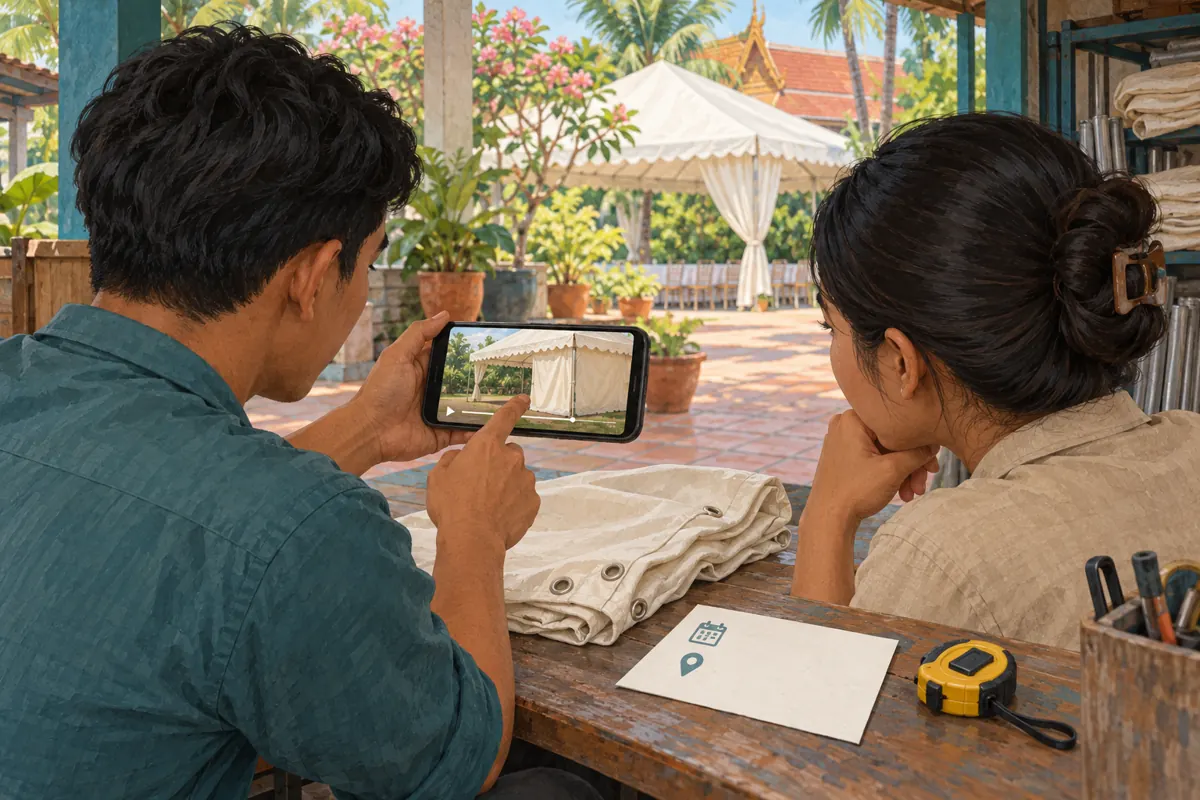
Ask a colleague who did not select the passage to open the actual shared link on a phone. Have them describe what the demonstration proves and what remains unanswered. This reveals missing context more reliably than asking whether the video looks attractive. Check whether the opening and closing moments feel complete, whether the tent is identifiable and whether spoken details remain understandable in an ordinary viewing environment.
For a Cambodian audience, review the language used in the footage and the accompanying message. A Khmer-speaking customer should not have to infer a rental condition from an unfamiliar English equipment term. Use the language appropriate to the enquiry and explain technical terms consistently. If the colleague mistakes the demonstration for confirmation of availability or assumes that every accessory is included, revise the message before sharing it more widely.
7. Pair the demonstration with a useful next question
A link should arrive with enough context to explain why it was sent. In the hypothetical shop’s English-language reply, the message might read: “This excerpt shows the sidewall opening on the cream tent in our demonstration. Please send your event date, venue area and preferred arrangement so we can check the available options.” Adapt the wording to the customer’s language rather than sending an identical script to every enquiry.
Keep the first request manageable. Date, general location and the desired arrangement help staff decide what to clarify next. Detailed measurements or access questions can follow when relevant. Do not describe the Clip as a booking confirmation, a site assessment or proof that the equipment suits any weather. If a customer asks something the footage cannot answer, acknowledge the gap and obtain the information instead of sending the same link again.
8. Review SMM listings without inventing Clip support
The supplied sabysmm.com catalogue includes the exact public service name “Youtube - Views ~ MIXED AFRICAN ~ Max 500K ~ 𝐍𝐎 𝗥𝗘𝗙𝗜𝗟𝗟 ~ Start 0-6hrs”. Its supplied description is empty. The title identifies a views listing, but the brief supplies no evidence that it accepts YouTube Clip links, reaches Cambodian rental customers or uses an appropriate promotional method. Treat the wording as a catalogue label, not verified delivery evidence.
Before considering any service, establish what it actually does, which destination it accepts and whether its method complies with platform rules. YouTube’s fake engagement policy prohibits artificial metric inflation and says a hired promoter’s actions can affect the channel. Do not proceed with a method that violates those rules. A listing is not evidence of official YouTube affiliation, and purchased engagement does not demonstrate genuine interest, sales, advertising delivery or Cambodian viewers.
9. Keep content usefulness separate from business results
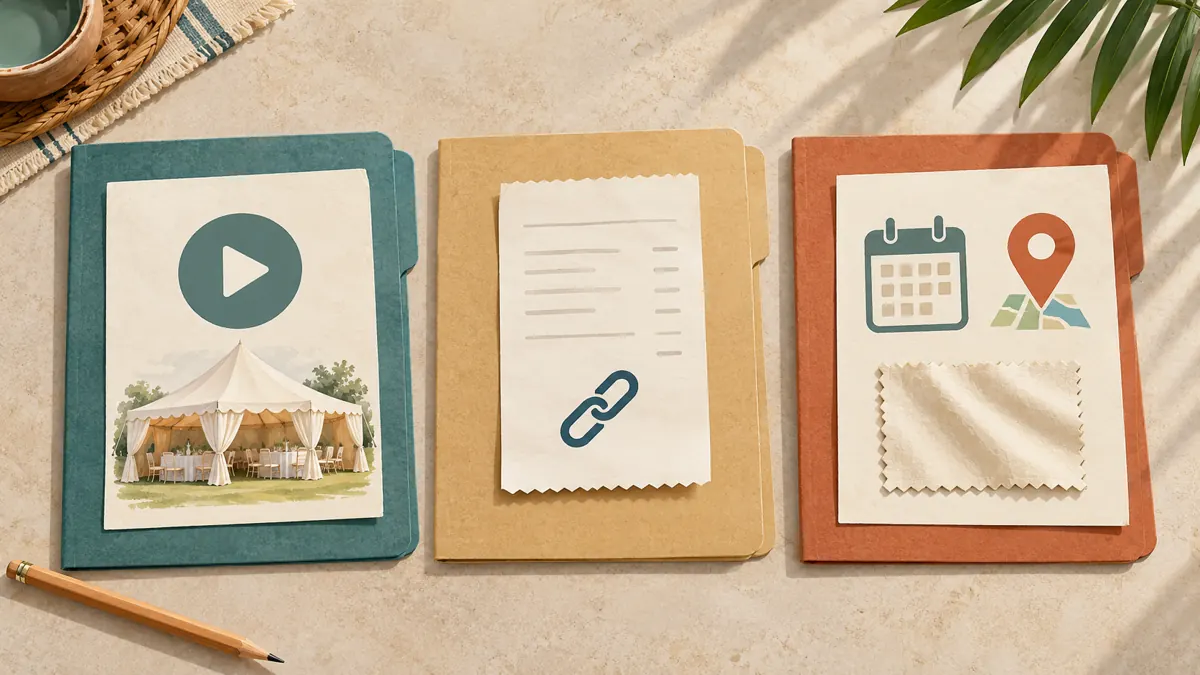
Maintain three simple records. The content record identifies the source, excerpt and question answered. Any service record documents the exact listing and its stated terms without turning those statements into confirmed outcomes. The enquiry record follows the customer’s actual request, such as an event date requiring an availability check. Keeping these purposes separate prevents a visible counter from being mistaken for a rental opportunity.
Evaluate the excerpt through practical observations: did recipients understand which side opens, did staff need to resend the full video, and what question remained? Record these as observations, not proof that the Clip caused a booking. A customer may already know the shop or have received a personal recommendation. If the same misunderstanding keeps appearing, improve the demonstration or its accompanying explanation before spending more time distributing it.
10. Avoid the mistakes that make excerpts unreliable
Common mistakes include selecting only the attractive reveal, omitting a spoken condition, using one model’s footage to answer questions about another and copying a link without testing it. Another is presenting the excerpt as evidence that an item is currently available. Correct these problems at their source: change the selection, identify the model, clarify the condition or confirm stock separately. Extra distribution will not repair an incomplete explanation.
Assign someone to review the saved link whenever the source or rental offer changes. YouTube states that Clips are removed when their original video is deleted or made private. Before changing the source, identify the customer replies and promotional messages that depend on it. Prepare an updated explanation and replace saved responses under the shop’s control. Do not assume earlier recipients will automatically discover the replacement or understand why the old reference stopped working.
Frequently asked questions
Should we create a Clip for every feature in the tent video?
Start with a recurring question that delays useful conversation. Creating many excerpts immediately can leave staff choosing between nearly identical links. Add another when it answers a distinct need, such as identifying a window panel rather than opening a sidewall. Give each a clear purpose and remove redundant entries from the staff reference list.
What if the important explanation cannot fit into the selection?
Keep the explanation intact. Share the full demonstration with a clear note about the relevant passage, or prepare a new video focused on that question. Do not remove an important condition merely to make the excerpt shorter. A customer who receives a slightly longer but accurate explanation is better informed than one who sees an incomplete reveal.
Can we send the same excerpt to customers in different Cambodian provinces?
The visual feature may be relevant across locations, but delivery, site access and availability still need individual confirmation. Keep the demonstration wording stable while adapting the enquiry questions. Avoid implying that showing equipment to a customer means the business can supply or install it at their venue on their requested date.
Does a views service make the Clip a better sales tool?
A service cannot establish whether the excerpt answers the customer’s question. The supplied listing also does not document support for Clip links. Review platform compliance before considering any provider, and judge content usefulness through actual questions and comprehension. Purchased engagement is not a substitute for confirmed enquiries, availability checks or bookings.
What should we do when the shop changes tent models?
Review every saved excerpt that shows the retired model. Identify which visual details differ and decide whether the old demonstration remains useful with an explicit qualification. If it could cause confusion, stop using it in new replies and prepare current footage. Tell customers with active enquiries when the change affects the arrangement they were discussing.
Explore the current service catalogue, create an account, or ask a specific question through support tickets.
Prepared with AI assistance. Illustrations explain the workflow and do not represent customer results.