19/10/2026 05:46
Wrong Detail in a YouTube Demo? A Correction Workflow for Cambodian Kitchenware Shops
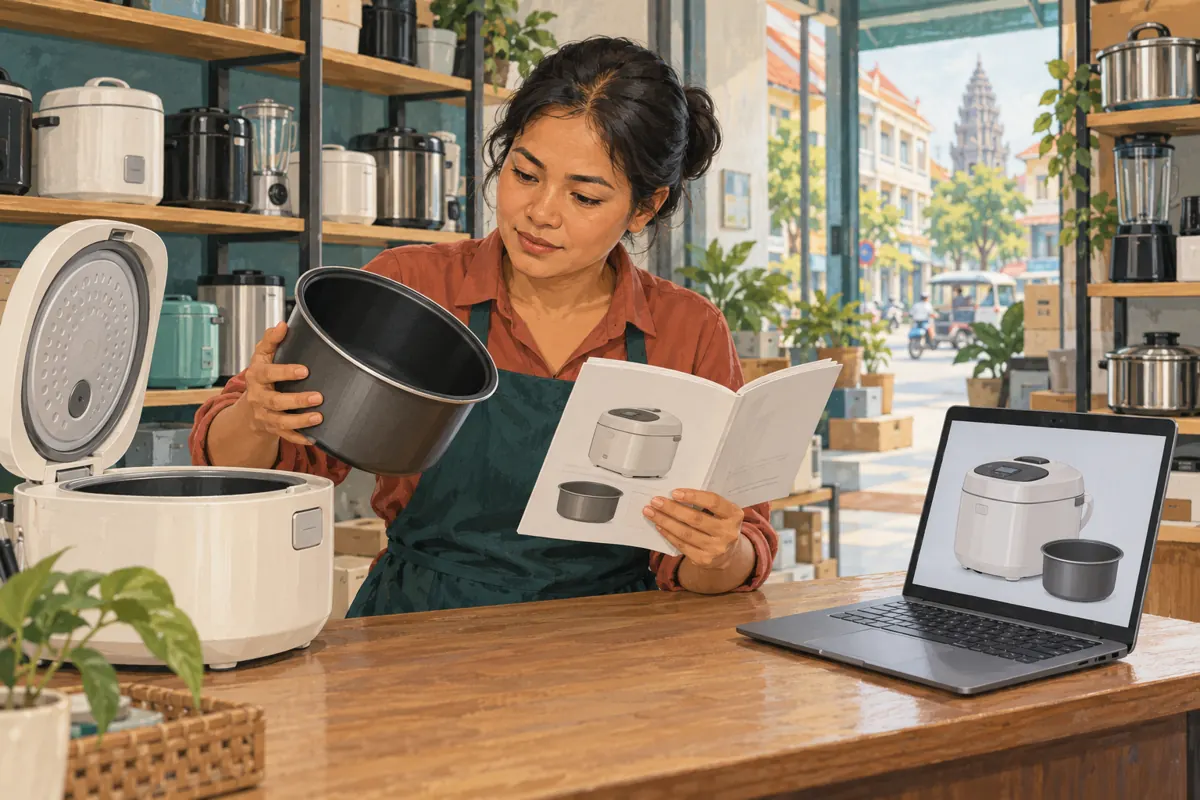
A product demonstration can remain useful long after filming, but one inaccurate sentence can give shoppers the wrong expectation. A presenter might confuse an included accessory with an optional extra, or describe the wrong rice-cooker model. For a Cambodian kitchenware shop sharing YouTube videos through customer messages and social posts, the challenge is to correct the information wherever people encounter it. This workflow explains how to investigate the mistake, choose between a correction and a replacement, and decide whether promotion should resume. Any SMM-panel decision comes after that editorial work: additional engagement cannot repair an inaccurate explanation.
1. Start with the exact statement a shopper could misunderstand
Consider this hypothetical example: a Phnom Penh kitchenware shop uploads a rice-cooker demonstration. During the accessory walkthrough, the presenter says a steaming tray comes with the model on display. A colleague later checks the packaging and finds that the tray belongs to a different package. The problem is specific: viewers may expect something they will not receive. It is not enough to tell the team that the video needs updating.
Record the sentence, its playback timestamp, the model shown and the purchase expectation it creates. Note whether the same claim appears in the thumbnail, description or spoken conclusion. Ask what a viewer would reasonably believe after watching without reading anything else. This establishes the scope of the correction before anyone starts editing. Keep the original wording in an internal note so reviewers can compare the proposed correction with the actual mistake.
2. Establish what is true before drafting the correction
Use evidence that matches the exact item being sold. Compare the model identifier on the appliance, its packaging, the relevant manufacturer documentation and the shop's confirmed offer. Similar-looking products may have different accessories. A photograph of another box or a colleague's memory is a reason to investigate, not a sufficient basis for a public correction. If the evidence conflicts, ask the responsible supplier or product specialist to resolve it before making another definite claim.
Separate an original error from a later change. If the tray was never included, acknowledge that the demonstration was incorrect. If a new shipment has different contents, explain which package the old video showed and which package is now offered. Those situations require different wording. For Cambodian shops handling enquiries in Khmer and English, preserve the exact model identifier in both explanations rather than translating it into a broad product nickname.
3. Choose a note, a replacement or a pause
A correction note can suit an isolated detail when the rest of the demonstration remains accurate and useful. In the hypothetical accessory example, the shop might keep the video if the tray appears only briefly and the correction clearly identifies the package difference. A replacement becomes more appropriate when the mistaken claim drives the main buying recommendation, appears repeatedly, or cannot be explained without contradicting much of the footage.
Pause active sharing while an important fact remains unresolved. Use a stronger response when a demonstration could encourage unsafe appliance use: do not rely on viewers discovering a description note before copying the action. Have the responsible person review whether the video should remain publicly accessible. The decision should depend on what people could misunderstand or do, rather than how much effort went into filming or how large the visible view count has become.
4. Add a timestamped correction using YouTube's documented format
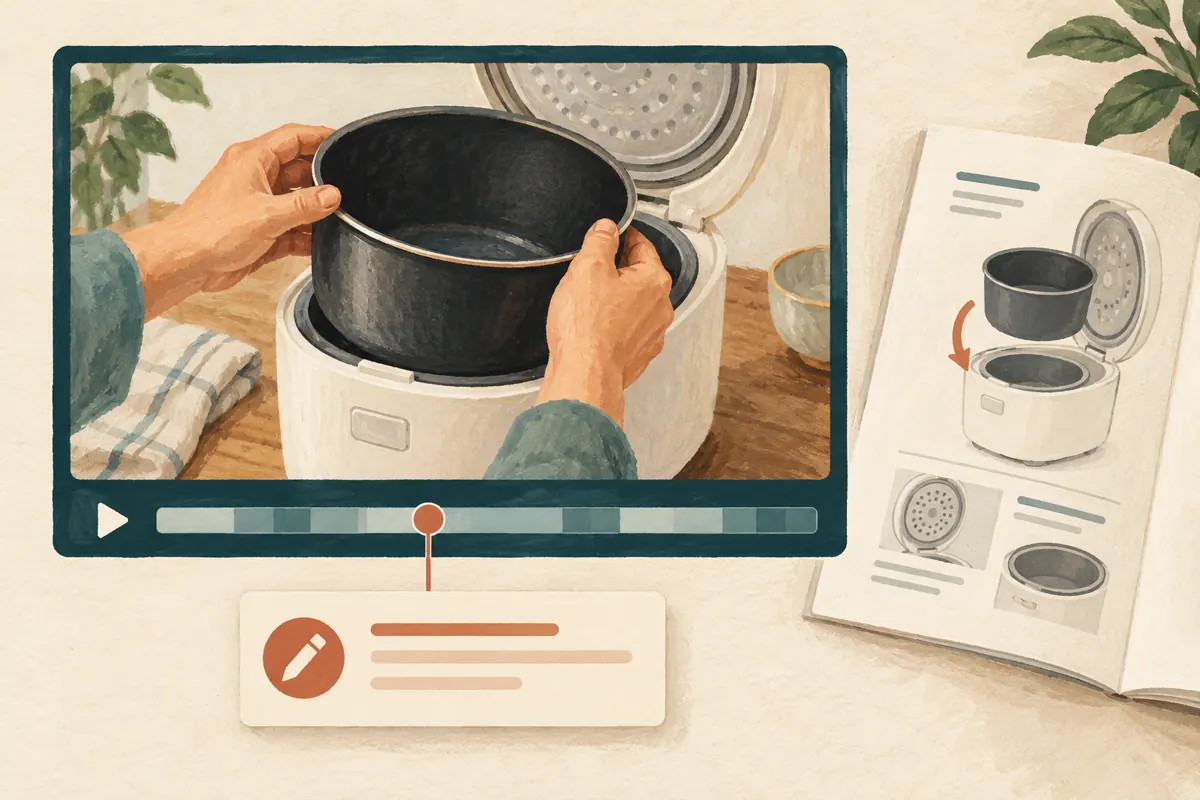
YouTube's Edit video settings guidance says creators can update video details in YouTube Studio. For its corrections feature, add “Correction:” or “Corrections:” in the description, then put the timestamp and explanation on a separate line. The label must remain in English even when the video and explanation use Khmer. Place this section after any video chapters. YouTube describes a View corrections information card, but says the feature is unavailable for channels with active strikes or content that may be inappropriate for some viewers. Source: https://support.google.com/youtube/answer/57404?co=GENIE.Platform%3DDesktop&hl=en-GB
A hypothetical entry could read: Correction: 1:24 The steaming tray shown here is not included with the package demonstrated. We mistakenly described it as included. Please confirm package contents with our shop before ordering.
Use the moment where the incorrect statement begins. Avoid choosing a convenient round timestamp that sends viewers to an unrelated introduction. A correction should identify the error and supply the verified fact without turning into another sales pitch.
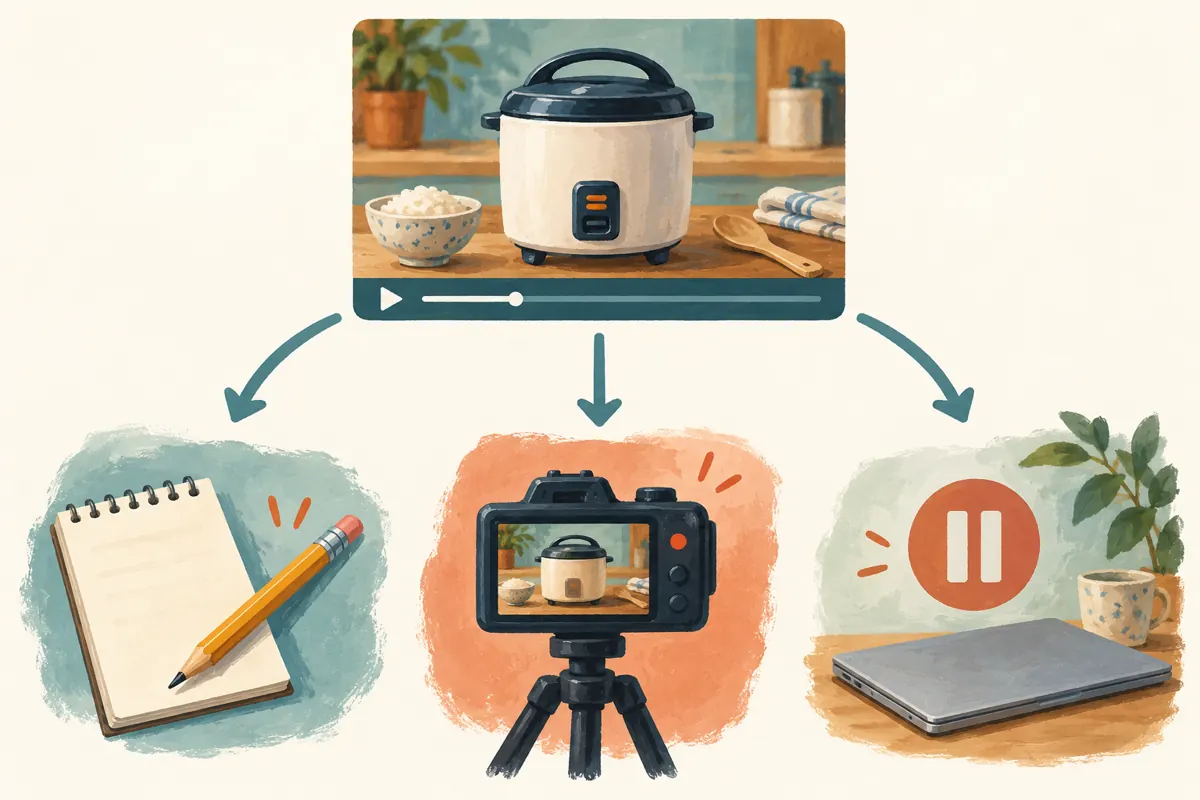
5. Write for the customer who has already believed the claim
A useful correction answers three questions: what was wrong, what is correct, and what should the viewer do if the difference matters? Avoid vague wording such as “details may vary” when the shop already knows that a particular statement was false. That wording makes customers perform the investigation themselves. A short acknowledgement also prevents the correction from sounding like the customer misunderstood an otherwise accurate explanation.
For a Khmer-language demonstration, write the substantive explanation in clear Khmer and have someone familiar with the product review it. If an English version is needed, check that both versions describe the same package and next step. Keep technical model codes unchanged. Do not promise a replacement accessory, refund or special arrangement unless the shop has actually approved it. Where a customer may already have ordered based on the mistake, direct them to a private conversation about their purchase.
6. Repair the other places carrying the same promise
The YouTube description is only one place a shopper may encounter the claim. Review the thumbnail, title, subtitles, social captions, product page and saved customer replies for the same accessory promise. Treat this as a targeted search for the mistaken fact, not an excuse to rewrite every piece of marketing. If the thumbnail prominently promises the tray, a correction buried in the description leaves the first impression unresolved.
Next, identify where the shop actively shared the video. A Facebook post may need a clear update; a saved Telegram reply may need replacement wording. If a known customer asked specifically about the tray, answer that concern directly rather than assuming a general announcement will reach them. Keep personal order details out of public replies. Assign each correction to someone who can make it, and mark completion only after checking the public-facing result.
7. Review SMM services without confusing delivery with accuracy
The supplied SabySMM catalogue includes “YouTube - Subscriber ~ Max 1M ~ 100-500/days ~ 0-12 hrs ~ 𝗥𝗘𝗙𝗜𝗟𝗟 30D”. Its title identifies a subscriber-related listing, but the supplied description is empty. That provides no basis for verifying the title's delivery or refill claims, identifying audience location, or concluding that recipients would watch and understand a correction. A catalogue label is not evidence of suitability for this task.
YouTube prohibits artificial increases in engagement metrics and warns that a hired promoter's actions can affect a channel. Evaluate the actual method against that policy; do not proceed with artificial engagement. Source: https://support.google.com/youtube/answer/3399767?hl=en
Purchased engagement is not evidence of genuine interest, sales, advertising delivery or Cambodian viewers. If a panel request already exists, keep its record and ask support what actions are available without assuming cancellation or target changes are supported. Resolving the inaccurate public claim remains the shop's responsibility regardless of an order's status.
8. Test whether another person can understand the repair
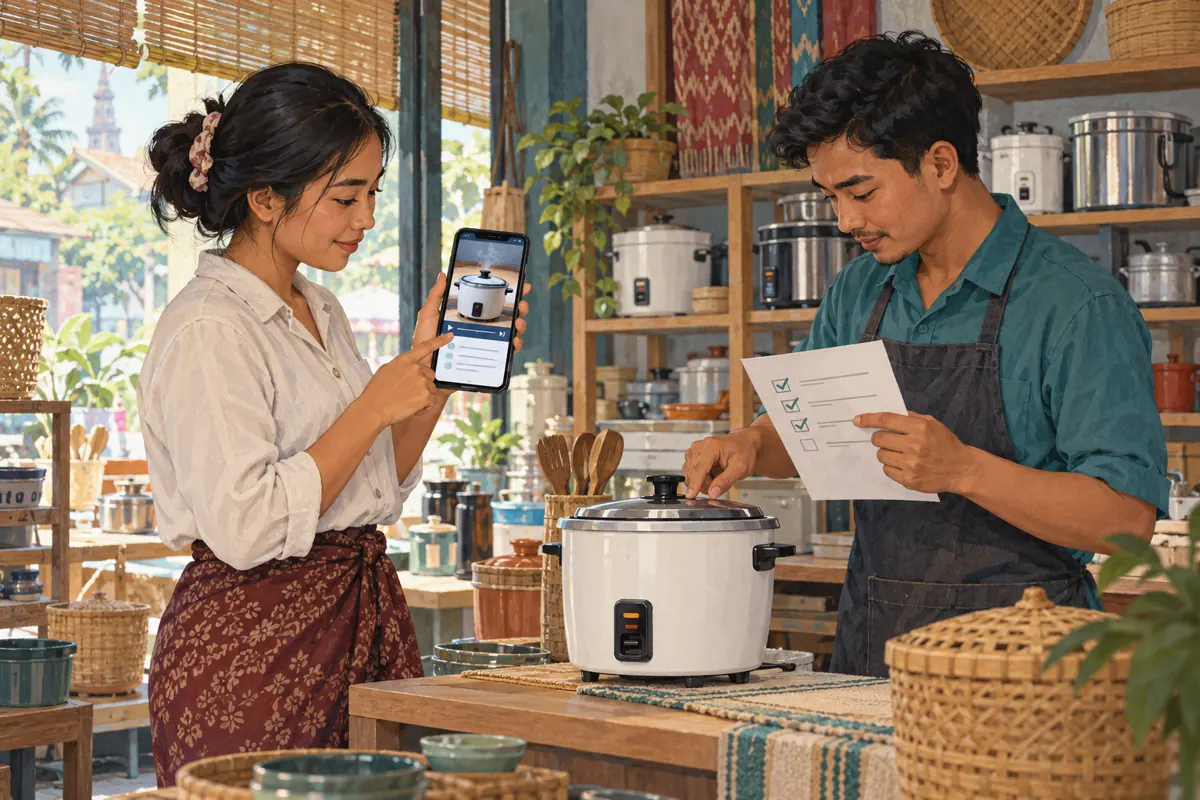
Ask a colleague who did not draft the correction to watch the disputed passage and find the update on a phone. Have them explain the package contents back to you without coaching. This is a practical comprehension check, not a customer study. If they still think the tray is included, revise the explanation or reconsider whether retaining the video is sensible.
Check the timestamp, the model reference and the wording on the public video page. Look for contradictions between the corrected description and other visible material. Do not declare success merely because an editor saved the change. Record what was actually inspected, including whether the corrections feature appeared during that check. If the notice is difficult to find, provide a clear ordinary description update and reconsider your sharing plan rather than relying entirely on a platform display element.
9. Resume promotion with a defined reason
Restart sharing when the relevant facts are confirmed, the public explanation is understandable and staff can answer the resulting question consistently. In the hypothetical shop, the owner might approve the corrected demonstration for customers asking how the inner pot fits, while choosing a newly filmed clip for customers comparing package contents. Different questions can justify different pieces of content; the older video does not have to serve every purpose.
When sharing again, explain why the video is useful and mention the correction where it affects the recipient's decision. Keep a simple note of the approved version and the date checked. Evaluate subsequent enquiries for remaining confusion, such as customers still requesting the missing tray. A quieter comment section does not prove everyone understood, and a rising counter does not validate the correction. Use actual questions to decide whether another explanation is needed.
10. Avoid fixes that leave the original misunderstanding intact
One common mistake is correcting the description while continuing to send a saved message containing the old promise. Another is replacing a precise error with broad uncertainty: “accessories depend on availability” may be less useful than naming the package actually shown. Also avoid changing the wording several times without telling the people answering enquiries. Staff can accidentally revive the incorrect claim when they rely on an earlier approved reply.
For future demonstrations, place the product identifier and confirmed package contents beside the filming script. Ask the presenter to distinguish what is included, what is optional and what is merely used as a demonstration prop. Before publication, have someone compare those statements with the specific package being sold. This small factual review is especially useful when several similar appliances share a display shelf. It reduces preventable corrections without requiring an elaborate production process.
Frequently asked questions
Can a correction note fix a demonstration whose main recommendation is wrong?
Usually, a replacement is the clearer editorial choice when the main recommendation depends on the error. A note asks viewers to mentally undo the video's central message. Refilm the relevant explanation with verified facts, and decide how to handle the older video based on the misunderstanding it could still cause.
Should the correction label be translated for a Khmer video?
YouTube requires the feature label “Correction:” or “Corrections:” in English. The explanation should still be understandable to the audience. For a Khmer demonstration, use clear Khmer for the substantive correction and retain exact product identifiers. Review the explanation with someone who understands both the language and the package contents.
What if the product package changed after the video was filmed?
Explain the change instead of describing an accurate historical statement as a filming mistake. Identify the package shown and the currently offered package, using verified identifiers where available. If viewers cannot reliably distinguish them, create a current demonstration and use that in new sales conversations.
Will buying views or subscribers help customers notice the correction?
A purchased counter increase cannot establish who received the message or whether anyone understood it. It also does not establish Cambodian audience reach, and artificial engagement conflicts with YouTube's policy. Put effort into correcting the content and reaching people through the genuine conversations and sharing channels where the mistaken claim appeared.
How much internal documentation does a small shop need?
Keep a compact record containing the original claim, supporting evidence, approved wording, affected links and the person who checked the result. The purpose is to prevent contradictory answers. Avoid collecting customer personal information unless it is necessary to resolve a specific purchase enquiry through the shop's normal private process.
Explore the current service catalogue, create an account, or ask a specific question through support tickets.
Prepared with AI assistance. Illustrations explain the workflow and do not represent customer results.